The National Authority for Probity, Prevention and Fight Against Corruption


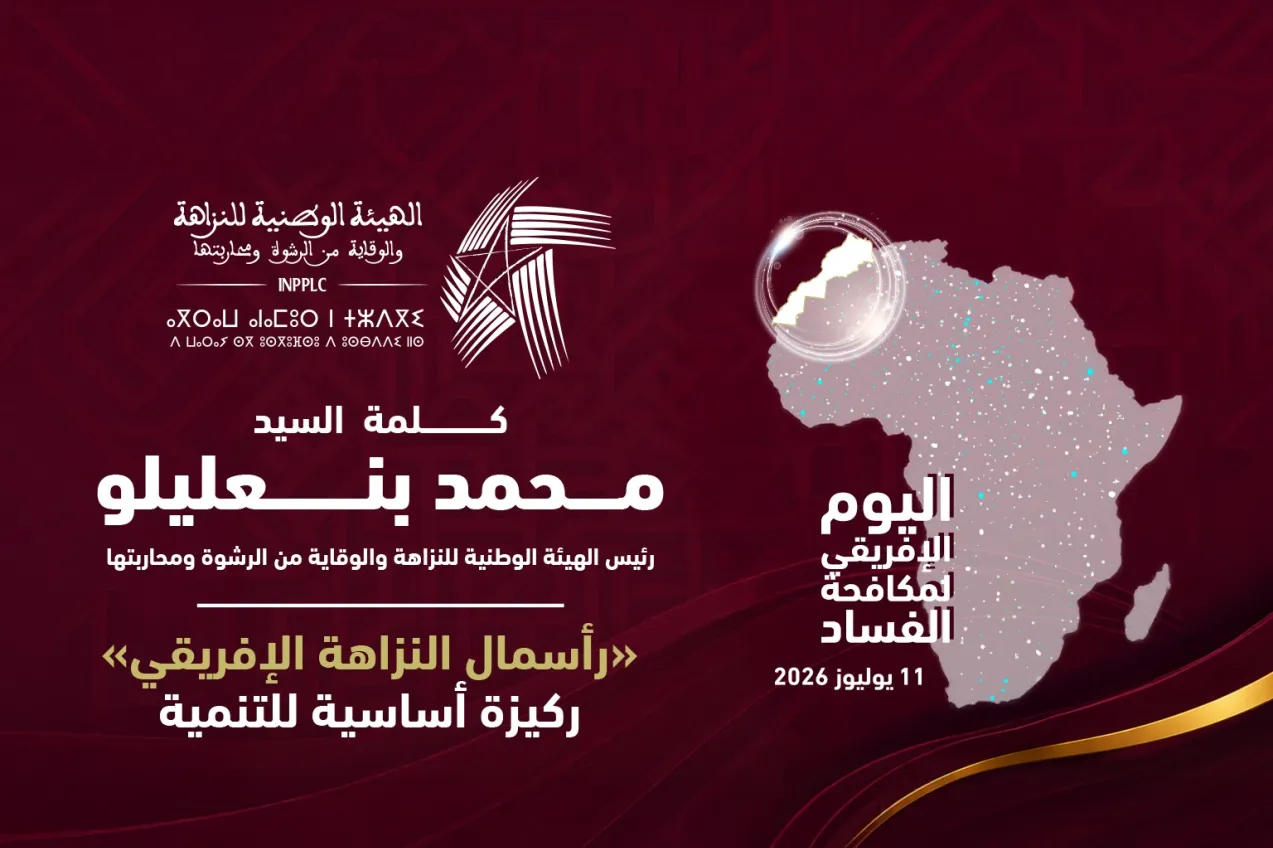
This year's African Anti-Corruption Day is observed at a time when profound transformations are reshaping the global economy, intensifying pressures on resources and widening the gap between the potential of States and their capacity to translate that potential into sustainable development and prosperity.
At the heart of these changes, our continent is facing a fundamental question: how can Africa transform its human capital and its natural wealth and economic resources into sustainable development with a tangibly impact on the daily lives of its people?
The answer lies, to some extent, in our collective capacity to build strong and effective institutions, protect our resources against waste, and ensure their attribution towards their intended development objectives.
Against this backdrop, the theme, "Promoting Integrity and Strengthening Anti-Corruption Measures in Africa," should serve as a clear call to embark upon a new phase of collective African action. A phase in which we no longer limit ourselves to measuring the scale and cost of corruption, but also begin to assess the value of integrity and its contribution to institutional effectiveness, the quality of investment, the efficiency of public expenditure, and the capacity of African economies to produce, compete and innovate.
It is from this perspective that we believe the time has come to establish African integrity Capital as a new guiding concept for our continent's collective action. It includes institutions, legal frameworks, experiences, knowledge, values and mechanisms that our States have progressively developed to protect public resources, enhance the effectiveness of public governance, strengthen the rule of law, create an enabling environment for investment, value creation and sustainable development, and promote democracy. It also reflects the need to forge stronger synergies between the anti-corruption agenda and the human rights agenda in the African context.
Africa has undoubtedly undertaken far-reaching reforms, established institutions and gained expertise and national experience worthy of recognition and wider dissemination. Yet the challenge is no longer measured by the number of laws we enact, institutions we establish or initiatives we launch. Rather, it is measured by the tangible impact these systems generate, by their ability to protect public resources, reduce waste and foresee corruption risks prior to their evolvement into economic and social costs that are irreversible.
Achieving this objective call for nothing less than a deep paradigm shift. It requires moving from a culture of compliance to a culture of integrity; from managing corruption cases to managing corruption risks; from responding to institutional failures to forecasting them; and from relying solely on law enforcement to building integrated systems of prevention, vigilance and early warning.
It also requires changing our national experiences into a shared African knowledge and making cooperation a genuine catalyst for developing solutions, building capacities and addressing emerging challenges, foremost among them illicit financial flows, transnational corruption, and the risks arising from digital transformation and artificial intelligence.
As a constitutional institution of an African State, and in fulfilment of the attributions entrusted to us, we consider ourselves an integral part of this continental endeavor and a steadfast partner, working alongside our counterpart African institutions to build an African institutional framework able to foster knowledge-sharing, develop innovative tools, build capacities, and make of integrity not only a declared principle, but also a major force for development.
On this African Anti-Corruption Day, we reiterate our belief that Africa's future resides not only in the size of its resources, but also in its ability to protect, manage and transform them into longstanding drivers of sustainable development.
The true value of African integrity Capital lies in our collective ability to make integrity the asset that protects every other asset, and the driving force that ensures the translation of Africa's potential into a more prosperous, just and sustainable future for its peoples and for generations yet to come.
Mohamed Benalilou
President of the National Authority for Probity, Prevention and the Fight against Corruption
Rabat, July 11, 2026
Latest news
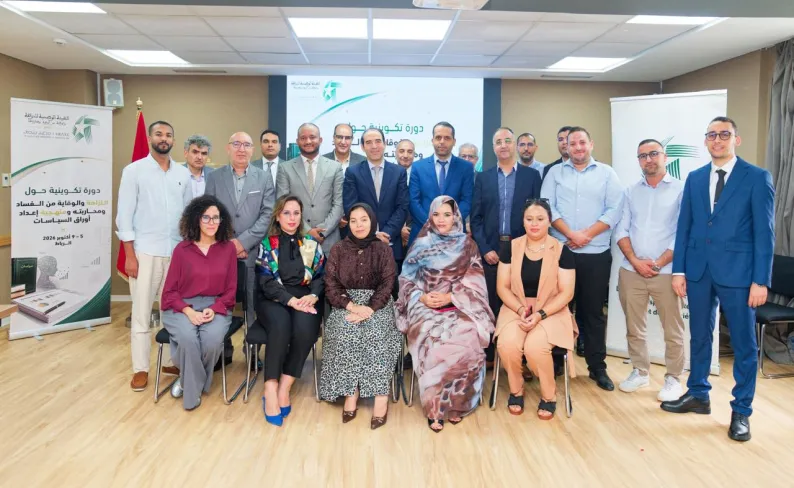
05/10/2026
The National Authority for Probity, Prevention and Fight against Corruption (INPPLC) launched on Monday, October 5, 2026, a training program on the methodology for developing policy papers in the fie…
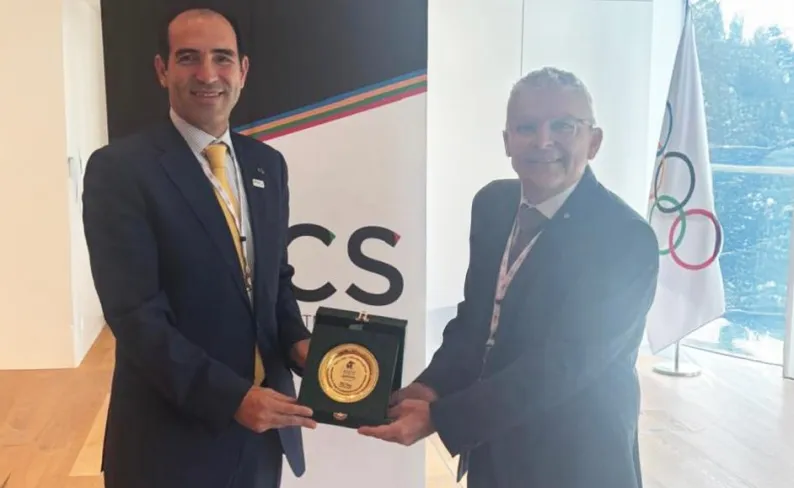
02/10/2026
The Kingdom of Morocco has secured through the National Authority for Probity, Prevention and Combating of Corruption (INPPLC) a seat on the Steering Committee of the International Partnership agains…
23/09/2026
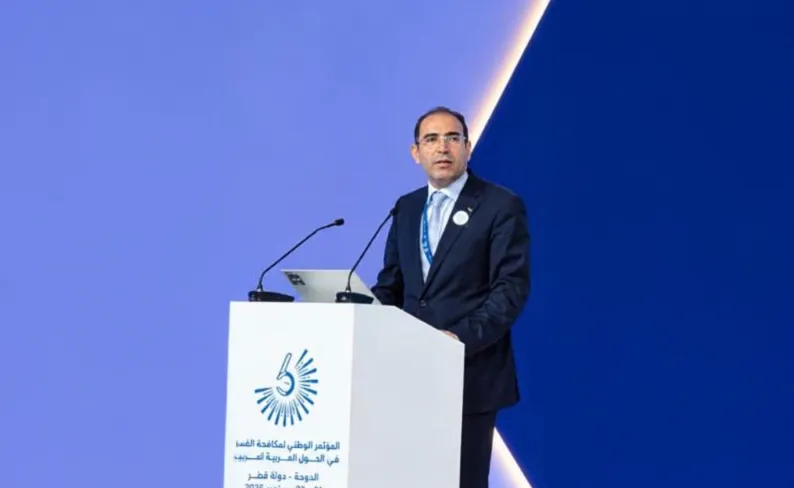
The Kingdom of Morocco called in Doha for a qualitative shift in joint Arab anti-corruption action at the Conference of the States Parties to the Arab Anti-Corruption Convention. Morocco called for e…